CHIANG MAI, Thailand — October 9, 2026
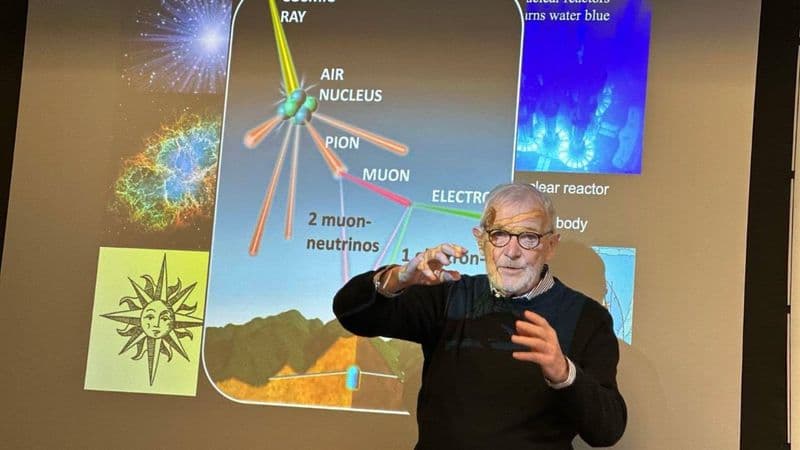
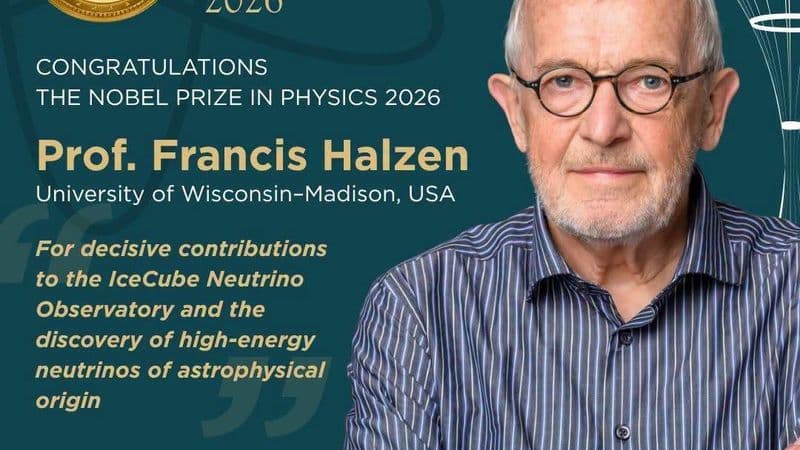
Chiang Mai University (CMU) is highlighting Thailand’s contribution to the global IceCube research collaboration following Professor Francis Halzen of the University of Wisconsin–Madison in the United States receiving the 2026 Nobel Prize in Physics. His work laid important foundations for the IceCube Neutrino Observatory and the discovery of high-energy neutrinos from astronomical sources, opening new possibilities for studying the universe through these elusive subatomic particles.
Halzen first proposed using the clear ice beneath the South Pole to detect neutrinos in 1988. The idea developed into IceCube, a giant observatory that uses approximately one cubic kilometre of Antarctic ice as a detector. By analysing Cherenkov light produced when neutrinos interact with matter, scientists can estimate the particles’ energy and direction, helping them investigate distant, high-energy cosmic phenomena.
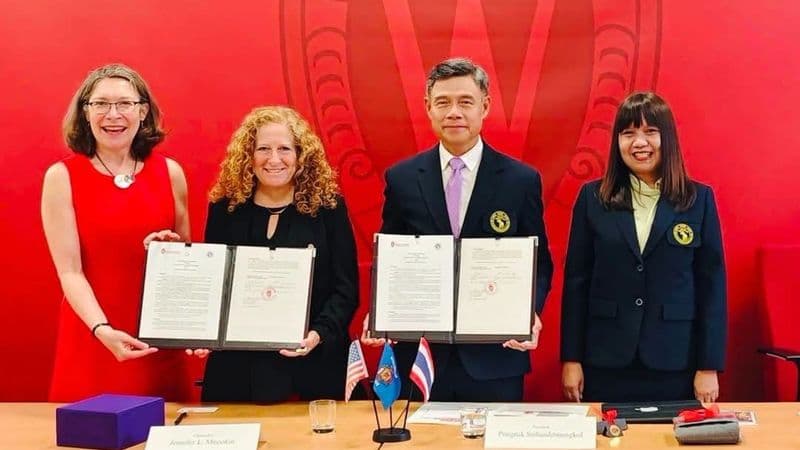
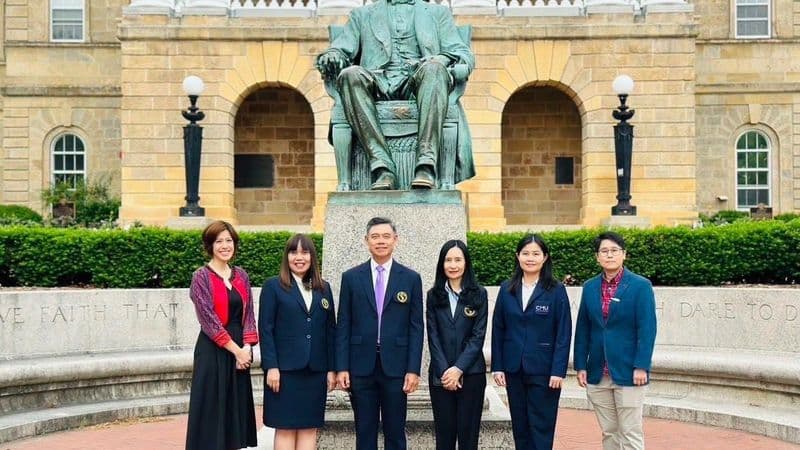
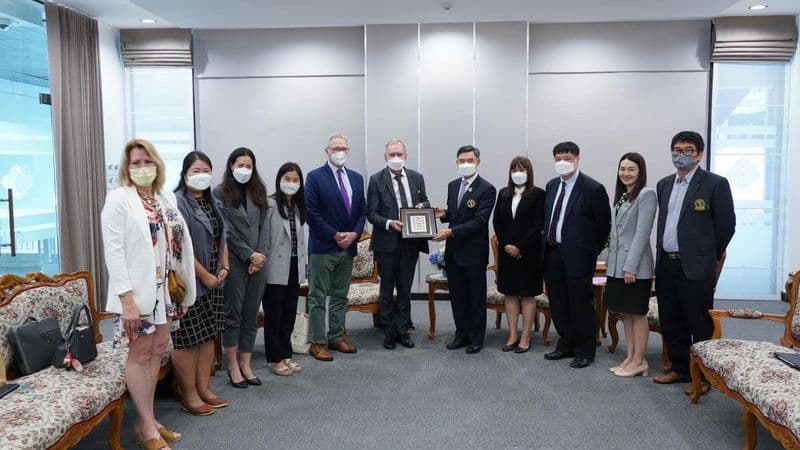
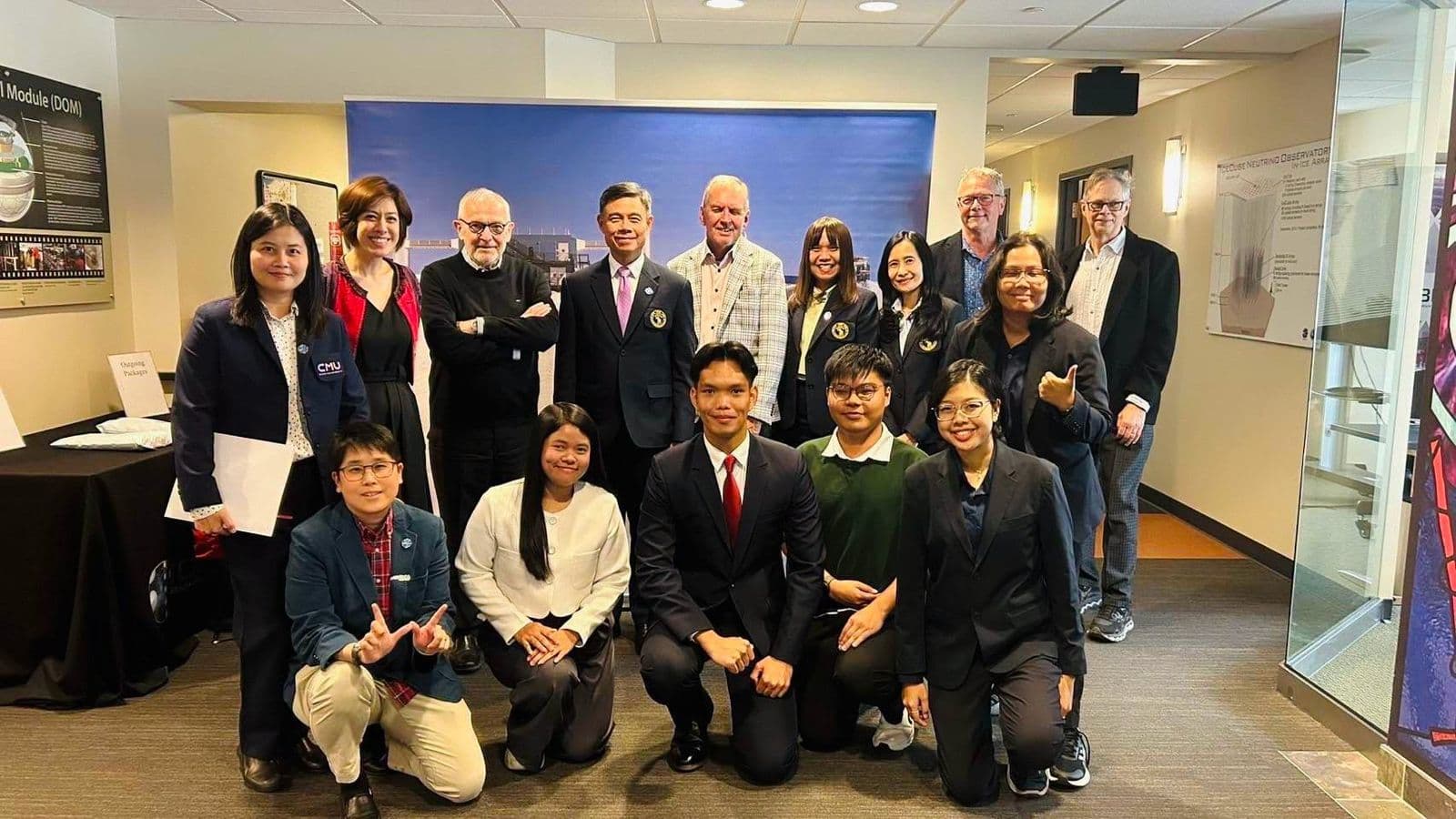
Thailand participates through the Thai–IceCube collaboration, established under the initiative of Her Royal Highness Princess Maha Chakri Sirindhorn and supported by the Information Technology Foundation under the initiative of Her Royal Highness. An agreement with the University of Wisconsin–Madison was signed on June 22, 2024, involving CMU, Chulalongkorn University, the National Astronomical Research Institute of Thailand (NARIT), and Panyapiwat Institute of Management.
CMU contributes to both IceCube and the next-generation IceCube-Gen2 initiative through research, data analysis, modelling, instrument development and researcher training. Associate Professor Dr. Waraporn Nantiyakul of the university’s Department of Physics and Materials Science leads the Thai–IceCube collaboration and serves as CMU’s institutional representative.
CMU researchers and students analyse data from IceTop, IceCube’s surface cosmic-ray detector in Antarctica. Their work examines how atmospheric pressure, temperature and accumulated snow affect observations, helping improve the accuracy of research into cosmic rays and solar activity.
Meanwhile, Assistant Professor Dr. Chana Sinsapwarodom of CMU’s Faculty of Engineering has worked at the South Pole for three consecutive seasons, from 2023–24 to 2025–26, supporting ice-drilling systems and detector installation for the IceCube Upgrade project. His experience highlights the role of Thai researchers and engineers in conducting advanced scientific work in extreme environments.
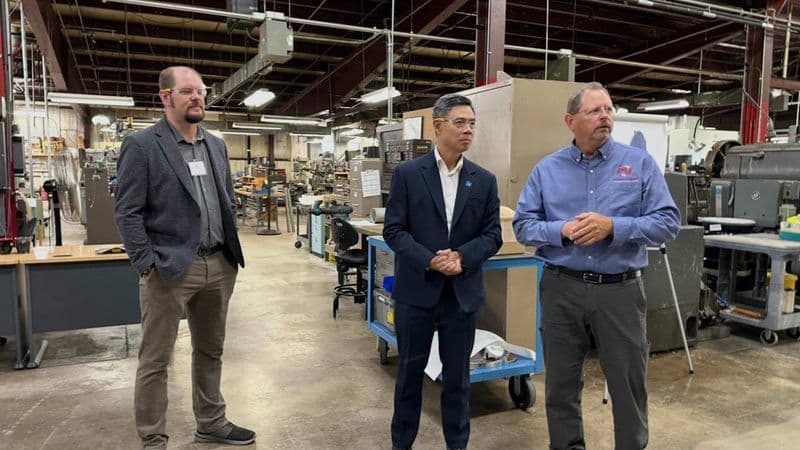
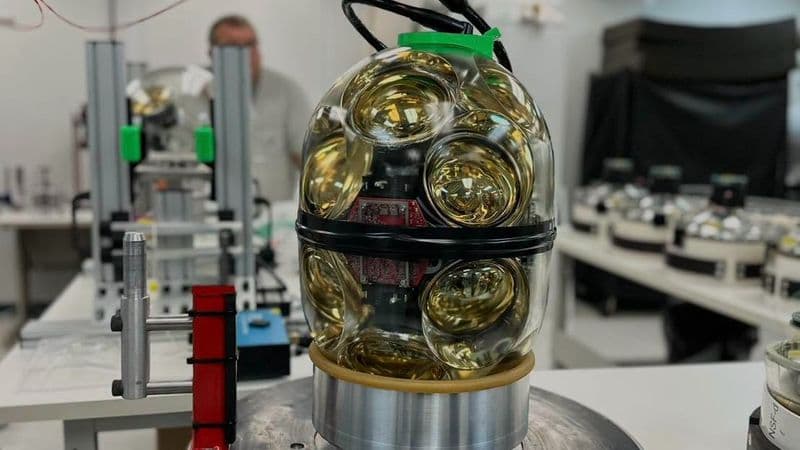
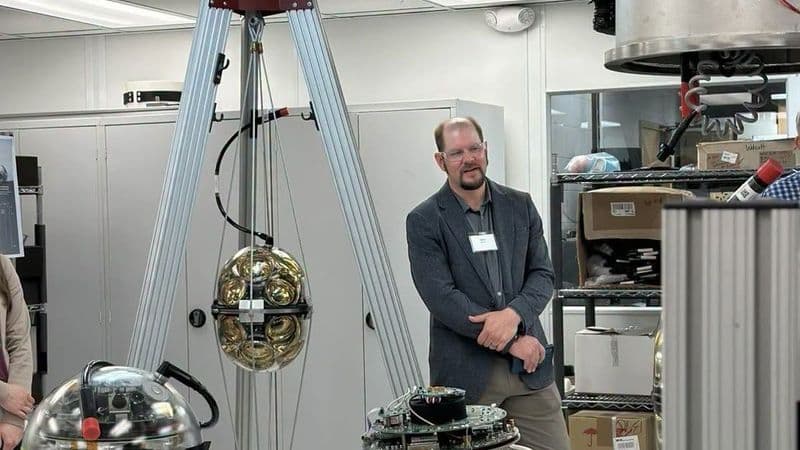
Building on this expertise, CMU is preparing a laboratory to assemble and test optical detector modules. The university is also developing specialist skills through training and collaborative research with Chiba University and the Physical Sciences Laboratory at the University of Wisconsin–Madison, with the aim of transferring knowledge and technology to Thailand.
The collaboration also prioritises developing people alongside scientific equipment. Through the IceCube Summer Student Program, Thai students can conduct research with international experts. A CMU student was selected to participate in the programme in 2026.
For CMU, involvement in IceCube represents an important step in connecting a university in Chiang Mai with a global scientific research network. The collaboration offers opportunities to advance frontier technologies, analyse large-scale datasets and develop expertise in Antarctic research—all contributing to humanity’s continuing effort to understand the universe through the tiny but scientifically powerful neutrino.